Can a single-hole kitchen faucet fit a three-hole sink?
A single-hole faucet can work on some three-hole sinks with a matching cover plate. The plate must cover the spare holes, fit the faucet base and mount on the sink properly. Measure the existing holes and top thickness, then have the seller or installer check the exact faucet and plate pair.
Why do the spare holes matter?
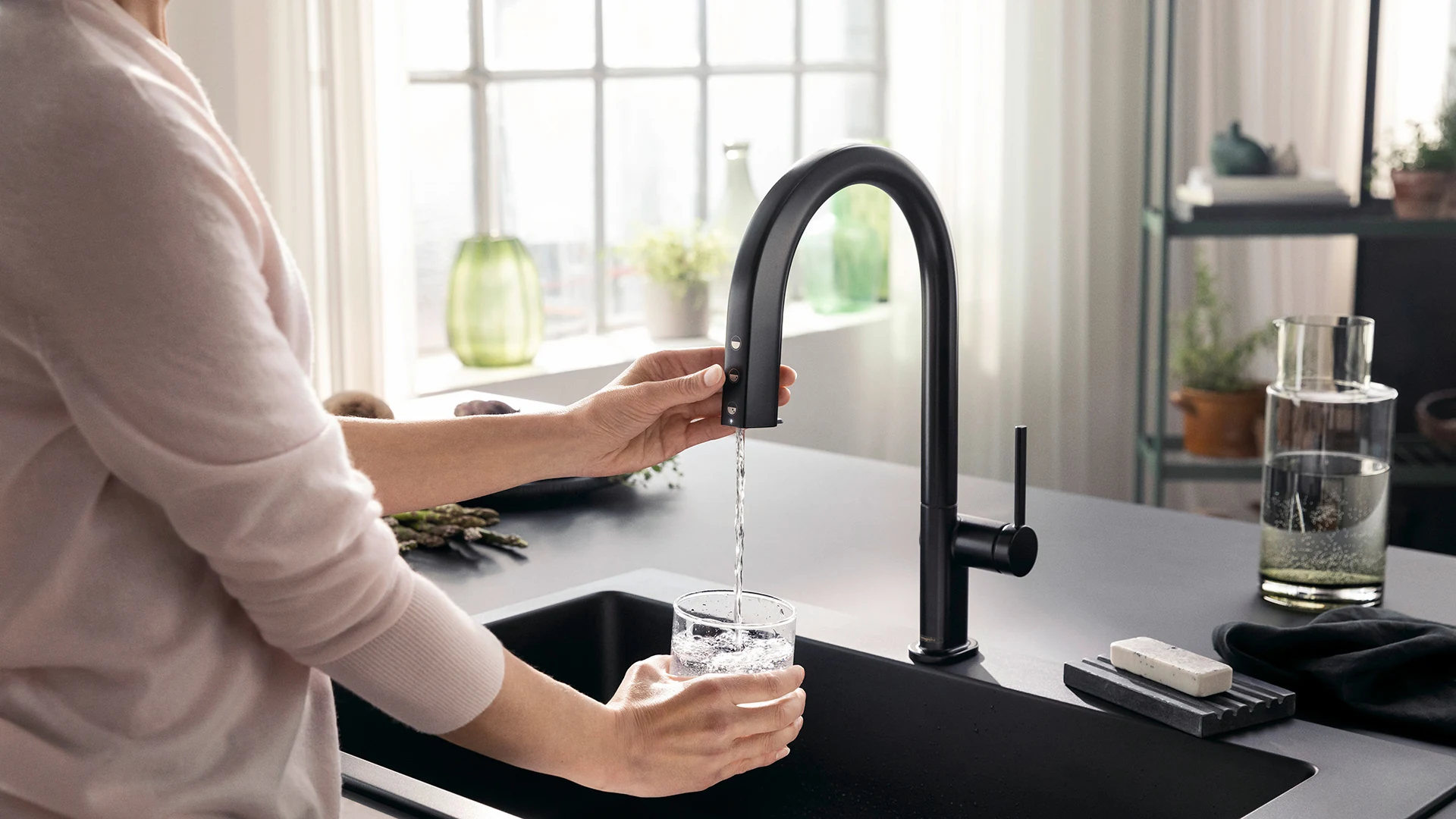
A sink may have holes for an old faucet, a separate spray or a soap pump. When you remove a fitting, the hole stays. A single-hole faucet does not cover all of those holes by itself. You need a plan for each one before the old faucet comes out.
Look above and below the sink to see what is fitted there now. Take a wide photo so the installer can see the whole ledge. Do not assume the large old faucet base hides only one hole. The pattern may only become clear when it is removed.
What can a cover plate do?
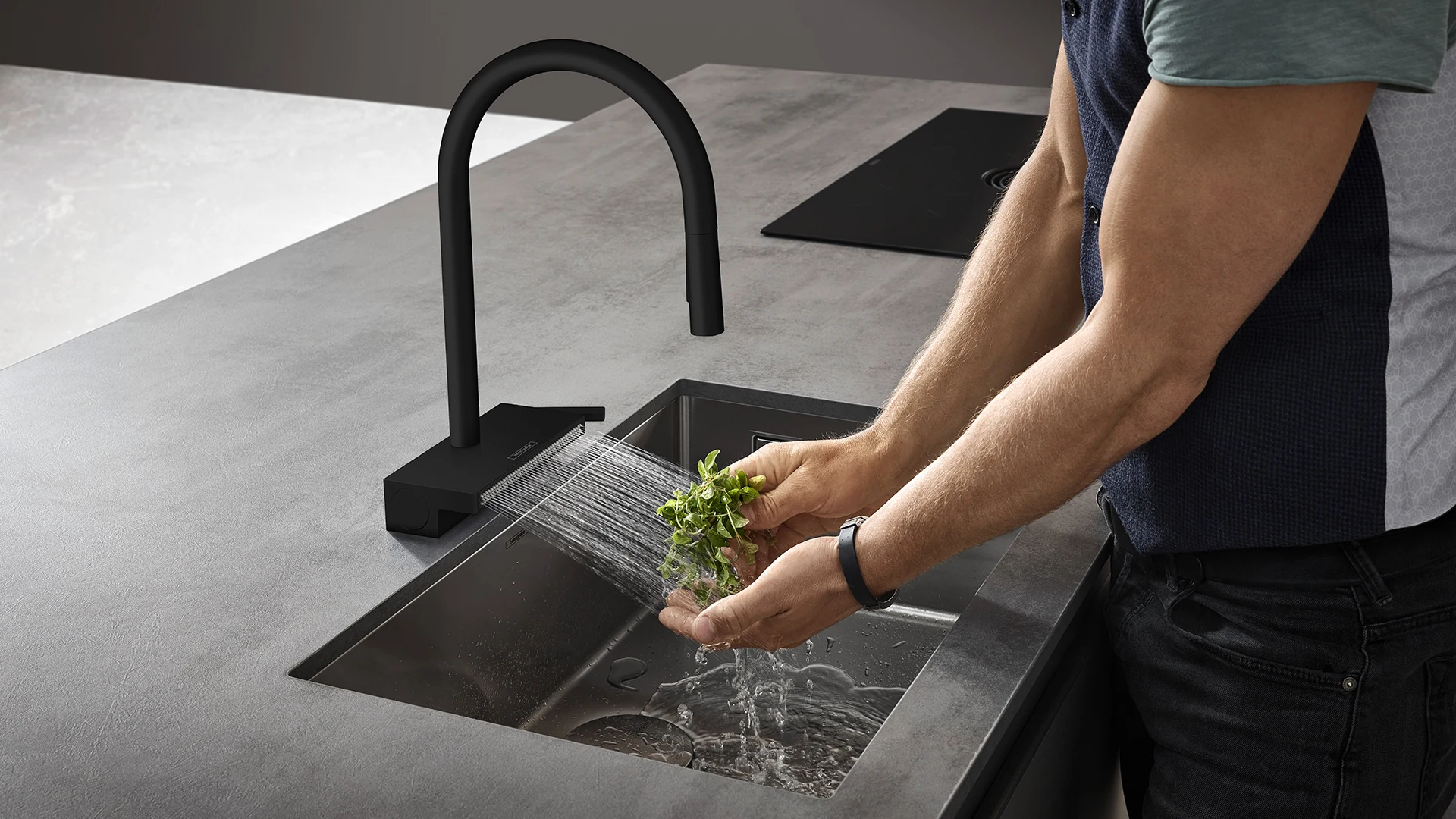
hansgrohe lists its 10‑inch base plate 14019001 as a part for concealing sink holes. The product page also has a list of parts that fit. That is a real example of this type of part, not a promise that it fits every new faucet or every sink.
Ask for a confirmed match to the exact faucet. Check the length, width, finish and method of mounting. A plate that is long enough can still be the wrong shape for the base. Check whether the plate is sold separately so it is there on install day.
Which sizes should you record?
- Hole pattern: measure between the hole centers where you can see them.
- Hole size: have the installer check it against the faucet drawing.
- Mounting spot: check thickness and the flat space around each hole.
- Below the sink: show the bracket space, valves and any old fittings.
If the top is stone, do not enlarge a hole or cut a new one yourself. The fabricator should check what can be done with that top. A cover plate is useful only when the whole mounting setup works.
What is Brookfield's rule for a basic swap?
Brookfield's current Building and Permitting page (opens in a new tab) puts swapping faucets on existing shutoffs in its no-permit list. The same page lists kitchen remodeling and interior plumbing alterations as permit work. Keep that difference in mind if the faucet swap turns into a larger project.
Have the installer check the shutoffs before work begins. A faulty valve, a moved line or a new sink can change the scope. Ask the village about the full plan if it goes beyond swapping the fitting on the existing connections.
When should you keep the sink?
Keeping a sound sink can make a faucet update smaller. First check its condition, the hole pattern and whether the new faucet gives you the reach you want. If it cannot fit cleanly, compare the cost and work of a sink change before you commit to extra parts.
Bring the photos and sizes to HausRack while you compare kitchen faucets. If new stone is also part of the plan, look at countertops at the same time. Settle the hole layout once, with the actual products in the plan.